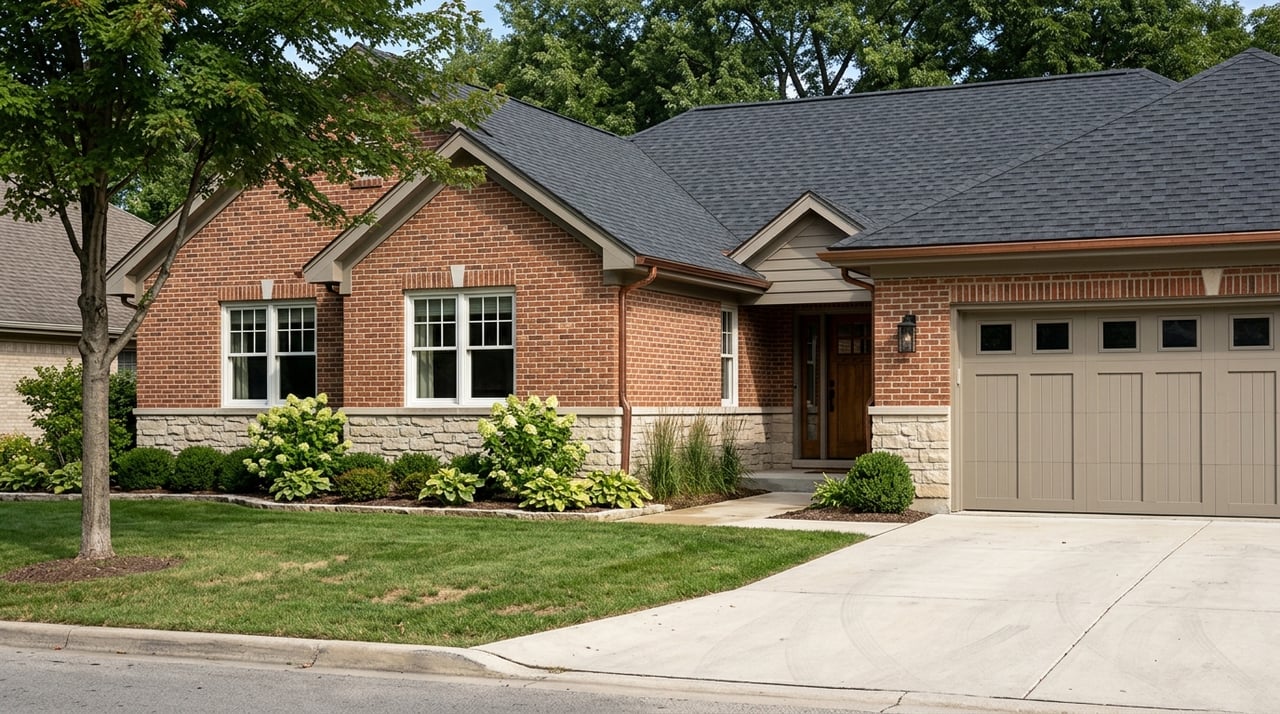
If you are getting ready to buy in Pittsburgh, you may be wondering how aggressive your offer really needs to be. The truth is that this market is not one-size-fits-all. Some homes still attract multiple offers, while others leave room to negotiate. The key is not just offering more money. It is making your offer look credible, clean, and well-prepared from the start. Let’s dive in.
Understand Pittsburgh's market first
A strong offer starts with context. In February 2026, Realtor.com reported 2,665 homes for sale in Pittsburgh, a median asking price of $250,000, a 97% sale-to-list ratio, and 78 median days on market. That tells you many buyers still have some negotiating room, even though well-priced homes can move quickly.
The market also varies by area. Realtor.com's 2026 housing forecast shows different pricing and pace across local areas, including East End at $325,000 and 103 days on market, Central Pittsburgh at $298,000 and 138 days, and South Side at $225,000 and 78 days. In other words, the right offer depends on the property, the location, and the competition around that specific listing.
Mortgage rates matter too. As of April 9, 2026, Freddie Mac reported the average 30-year fixed rate at 6.37%. In a rate-sensitive market, sellers often pay close attention to whether a buyer looks financially ready to close.
Build a credible offer package
In Pittsburgh, a strong offer is often a well-documented offer, not just a high one. Because citywide sale-to-list ratios are closer to 97% to 98% than far above list, your terms and preparation can matter just as much as price.
Start with a current preapproval
Before you write an offer, make sure you have a current preapproval letter. The Consumer Financial Protection Bureau explains that preapproval is more meaningful than prequalification, and sellers often expect to see it before accepting an offer.
It is also important to check the date. A preapproval letter can expire in 30 to 60 days, so an outdated letter may weaken your position. If you are actively touring homes in Pittsburgh or the South Hills, keeping this current is a simple but important step.
Compare lenders early
Do not wait until you are under contract to sort out financing. The CFPB recommends shopping with at least three lenders and comparing the rate, APR, fees, and monthly payment.
That matters because once your offer is accepted, timelines can move fast. If you already know what your financing looks like, you can make decisions quickly and avoid adding uncertainty to the transaction.
Know your true budget ceiling
A strong offer should still fit your comfort zone. The CFPB notes that only you can decide how much you are comfortable spending, and it is smart to be upfront about your limit before you fall in love with a home.
That clarity helps you act decisively. It also helps your agent guide you toward the right homes and structure offers that are competitive without pushing you past what feels manageable.
Price matters, but strategy matters more
Many buyers assume they need to go over asking no matter what. In Pittsburgh, that is not always true.
Realtor.com market data shows a market where many homes still close below list price, even though some well-positioned listings receive stronger competition. That means your offer price should be tied to recent comparable sales and the home's condition, not just the list price alone.
When offering above asking may make sense
Offering above list can make sense when a home is newly listed, well-prepared, correctly priced, and generating strong interest. If there are multiple offers, a clean and confident number can help you stand out.
Even then, the goal is not to overreach. You want an offer that is competitive and supported, especially if financing and appraisal will be part of the process.
When a cleaner offer can beat a higher one
Sometimes sellers are choosing between certainty and risk. A buyer with a current preapproval, realistic timeline, clear communication, and solid earnest money can look stronger than a buyer who offers more but seems less prepared.
This is one reason organization matters so much in the Pittsburgh market. Your offer should make it easy for the seller to believe the transaction will actually close.
Use earnest money thoughtfully
Earnest money is your good-faith deposit. According to the CFPB glossary, it shows the seller you are serious, and the National Association of REALTORS® notes that it is common in competitive markets and often falls between 1% and 10% of the purchase price.
The right amount depends on the property and the level of competition. In a multiple-offer situation, stronger earnest money can help reinforce your commitment, but it should still be paired with contingency planning and clear deadlines.
Be careful with contingencies
Contingencies are one of the most important parts of a strong offer. They help protect you if financing, inspection, or appraisal issues come up.
The CFPB recommends making offers contingent on financing and satisfactory inspection. NAR also notes that earnest money is often refundable if contingency issues cannot be resolved, but buyers can lose that deposit if they waive protections too early or miss contract deadlines.
Keep financing contingency in view
If you are getting a mortgage, financing contingency is usually important. It gives you protection if the loan cannot be finalized under the contract terms.
In a rate-sensitive market, that protection matters. Even if your preapproval is strong, you do not want to remove safeguards without understanding the risk.
Do not treat inspection lightly
In Pittsburgh, inspection planning is especially important because the housing stock is older. Realtor.com's forecast notes that the metro has a median year built of 1960, the oldest among the top 10 metros in its forecast.
The CFPB advises buyers to schedule the inspection as soon as possible after choosing a home and to attend if they can. Inspection findings can support renegotiation or cancellation when your contract allows it.
Watch for Pittsburgh-specific inspection issues
One local issue worth flagging is radon. According to Allegheny County's radon fact sheet, radon is odorless and invisible, and up to 40% of Pennsylvania homes may exceed the EPA action level of 4 pCi/L.
That does not mean every home has a problem. It does mean radon testing is worth discussing as part of your inspection planning, especially in an older-home market.
Understand appraisal risk
If your offer price stretches beyond what the home is likely to appraise for, the lender may not support the full contract price. The CFPB notes that lenders generally require an appraisal and may also require repairs or additional reserves if issues are identified.
This is why a strong offer should be grounded in the home's likely value. Winning the house is only helpful if the deal can hold together through appraisal and financing.
Prepare for cash to close
One of the biggest mistakes buyers make is focusing only on down payment and monthly payment. Your offer is stronger when you also know what cash you may need at closing.
The CFPB says closing costs typically run 2% to 5% of the purchase price, not including the down payment. Inside the City of Pittsburgh and Pittsburgh School District limits, the city lists a combined realty transfer tax of 4%. On a $250,000 home, that works out to about $10,000 in transfer tax, plus roughly $5,000 to $12,500 in closing costs before your down payment.
Outside the city, transfer taxes can vary by municipality and school district. Allegheny County's local tax rate page is a reminder that the exact number should be confirmed for the specific property address.
Protect yourself during closing
A strong offer should also be paired with a safe closing process. NAR warns that wire fraud is a real risk during home closings, so you should always confirm wire instructions in person or by phone before sending funds.
The CFPB also notes that independent settlement agents, including attorneys, can sometimes offer lower costs and objective advice. The main point is simple: stay organized, verify instructions carefully, and do not rush the final steps.
A practical strong-offer checklist
Before you submit an offer in Pittsburgh, make sure you have:
- A current preapproval letter
- Quotes or comparisons from multiple lenders
- A clear monthly and total budget
- A cash-to-close estimate that includes closing costs and transfer tax
- A pricing strategy based on recent comparable sales
- Earnest money ready
- A plan for inspection timing
- A clear understanding of financing and appraisal contingencies
Work with a plan, not panic
The strongest offers in Pittsburgh are usually not the most dramatic. They are the most organized. When you understand the local market, line up financing early, plan for inspections, and know your numbers, you can move quickly without making rushed decisions.
If you want a calm, structured approach to buying in Pittsburgh or the South Hills, Rachel Mazzie can help you prepare, evaluate your options, and write an offer with confidence.
FAQs
Do I need to offer above asking in Pittsburgh?
- Not always. Citywide market data shows many homes still close below list price, though some desirable listings can attract multiple offers and sell above asking.
Should I waive inspection when buying a home in Pittsburgh?
- Usually not. CFPB recommends inspection and financing contingencies, and Pittsburgh's older housing stock makes inspection planning especially important.
How much earnest money is normal for a Pittsburgh home offer?
- A common range is 1% to 10% of the purchase price, depending on the home's price point, market competition, and seller expectations.
What should I have ready before touring homes in Pittsburgh?
- You should have a current preapproval, lender comparisons, and a budget that includes down payment, closing costs, and transfer tax.
Why does inspection planning matter so much in Pittsburgh?
- Pittsburgh has older housing stock than many metros, which can make inspections, repair discussions, and issue-specific testing such as radon more important during the buying process.