Thinking about listing your home soon? In Pittsburgh, a low-stress sale usually starts well before your home goes live. With local market data showing buyers are taking time to compare options, the sellers who feel most in control are often the ones who prepare early, focus on the right updates, and launch with a clear plan. In this guide, you’ll learn how to get your Pittsburgh home ready in a practical, organized way so your sale feels smoother from day one. Let’s dive in.
Why prep matters in Pittsburgh
If you are hoping for a quick and effortless sale, the current market signals suggest it is smarter to plan for a few weeks of preparation. As of March 31, 2026, Zillow reports an average Allegheny County home value of $237,963, a median sale price of $228,333, and homes going pending in about 24 days. At the same time, those numbers do not tell the whole story.
Different data sources track different areas and timelines, but they point in a similar direction. Realtor.com shows Pittsburgh as a buyer market with 2.7K active listings, a median asking price of $250K, a 97% sale-to-list ratio, and 78 median days on market. Redfin’s city data shows a $240K median sale price and 103 days on market in March 2026. Taken together, that means your home needs to make a strong first impression and be priced with care.
Start with the online first impression
Most buyers will meet your home online before they ever walk through the front door. According to NAR’s 2024 buyer and seller highlights, 43% of buyers started their search online, all buyers used the internet during the search, and buyers typically viewed seven homes, including two they only saw online. That means your listing photos and presentation matter from the very beginning.
Photo quality is especially important. NAR’s 2025 online visibility guidance notes that 81% of buyers rated listing photos as the most useful feature in the home search process. If your home looks clean, bright, and easy to understand in photos, you give yourself a better chance of earning attention early.
That early attention matters more than many sellers realize. According to NAR’s online visibility article, listings that get early views, saves, and shares are more likely to keep showing up in search results and buyer alerts. In other words, good prep helps your first week on the market work harder for you.
Focus on the prep that buyers notice most
You do not need a major remodel to get your home ready. In fact, NAR’s consumer guide to preparing to sell emphasizes practical improvements like cleaning, decluttering, improving curb appeal, and making sure the home shows well in photos. For most sellers, those steps deliver more value than taking on large projects right before listing.
A low-stress plan starts with the basics:
- Declutter surfaces, shelves, and storage areas
- Depersonalize rooms so buyers can picture their own belongings there
- Deep clean windows, carpets, walls, and light fixtures
- Tidy the exterior and improve curb appeal
- Replace dim or mismatched light bulbs
- Prepare the home for professional photography
These tasks may sound simple, but they can change how spacious, bright, and cared-for your home feels. In a market where buyers are paying attention to value, presentation can support your pricing strategy.
Use staging strategically
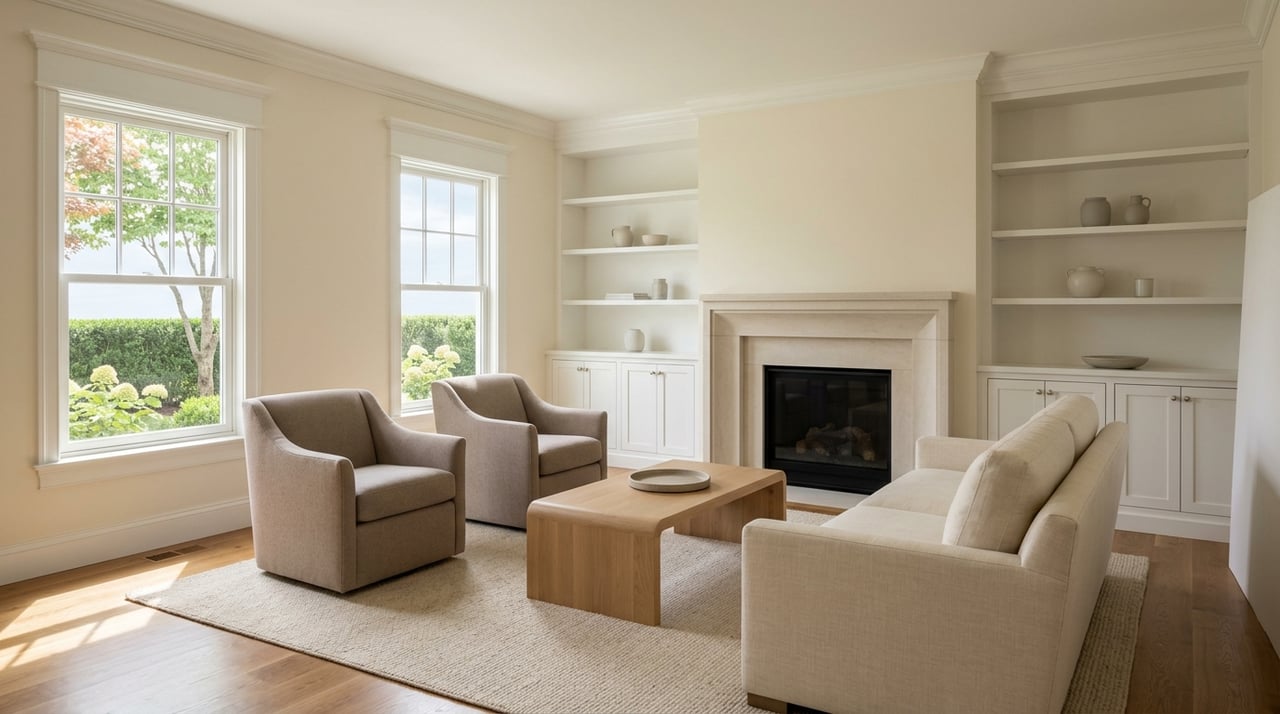
Staging does not have to mean renting out an entire house worth of furniture. It is really about helping buyers picture how the space lives. According to NAR’s 2025 staging snapshot, 83% of buyers’ agents said staging made it easier for buyers to visualize the property as a future home.
The same report found that 49% of sellers’ agents said staging reduced time on market, and 29% said it increased the dollar value offered by 1% to 10%. That does not guarantee a higher sale price, but it does show why thoughtful presentation is worth considering.
If your budget or schedule is limited, focus on the rooms buyers notice first. NAR says the most commonly staged rooms are:
- Living room
- Primary bedroom
- Dining room
For many Pittsburgh sellers, that means you do not need to stage every corner of the house to make a meaningful impact. A calm, clean, well-arranged main living space can go a long way.
Follow a simple seller prep timeline
One of the best ways to reduce stress is to avoid doing everything at once. Breaking your prep into phases can help you stay organized and make better decisions along the way.
Four to six weeks before listing
This is the time to do the work that prevents last-minute surprises. Start by decluttering, depersonalizing, and deep cleaning. If you have manuals, warranties, or paperwork for major systems and appliances, gather them now so they are easy to access later.
You may also want to think about a pre-sale inspection. According to NAR’s seller prep guide, it is not required, but it can help you identify issues before buyers do. It can also give you time to decide whether to make repairs or prepare for those items during negotiations.
This is also a good point to make note of the age or condition of bigger-ticket items like the roof, HVAC system, or appliances. Buyers may factor those future costs into their offers, so it helps to be prepared.
One to two weeks before listing
Now shift to presentation. Fresh neutral paint in worn areas, clean window treatments, better lighting, and simple curb appeal touch-ups can all improve how the home feels without turning into a major renovation project.
This is also the right time to stage the key rooms. Once the house is clean, uncluttered, and visually consistent, schedule photography. Listing photos should capture your home at its best, not halfway through the prep process.
Launch week and every showing
Once your home is active, the goal is consistency. NAR’s seller showing checklist recommends a repeatable routine that can make showings much less hectic.
Before each showing, aim to:
- Pick up daily-use items
- Clear kitchen and bathroom counters
- Wipe down surfaces
- Open window treatments
- Turn on lights
- Neutralize odors
- Swap out used towels
- Hide valuables and medications
- Clear outdoor walkways
- Disable alarms if needed
- Take pets with you
A simple checklist helps you avoid rushed decisions and keeps the home ready without starting from scratch each time.
Keep repairs practical
Many sellers worry they need to fix everything before listing. In reality, a low-stress sale usually comes from knowing what matters most. Cleanliness, maintenance, and presentation often deserve more attention than expensive cosmetic projects.
If you are deciding what to repair, start with items that affect how the home functions, feels, or photographs. Burned-out bulbs, damaged trim, dripping faucets, stained grout, and worn paint are often worth addressing because buyers notice them quickly. Large remodels are a different decision and should be weighed carefully against time, cost, and likely return.
Let pricing and prep work together
Preparation is not separate from pricing. The two should support each other. According to NAR’s home pricing guide, pricing should reflect your home’s size, location, amenities, condition, and comparable sales, along with current market conditions.
That matters in Pittsburgh right now. Zillow’s Allegheny County data shows a median sale-to-list ratio of 0.977, with 62.5% of sales closing under list price. Realtor.com also reports a 97% sale-to-list ratio for Pittsburgh. That does not mean every home must price low, but it does mean buyers are paying close attention to condition and value.
A well-prepared home supports a more disciplined pricing conversation. If your home is clean, staged thoughtfully, and photographed well, you can enter the market with stronger positioning and fewer preventable objections.
Build a calmer sale plan
If your goal is a smoother experience, the best move is to start early and stay focused on what actually helps buyers say yes. In Pittsburgh, that usually means prioritizing decluttering, cleaning, staging key spaces, strong photos, and a pricing strategy based on current comps and market conditions.
You do not need to do everything at once, and you do not need to over-improve your home to sell it well. A clear timeline, practical prep list, and steady guidance can make the process feel far more manageable. If you are getting ready to sell in Pittsburgh or the South Hills, Rachel Mazzie can help you build a smart prep plan, price with local context, and move forward with confidence.
FAQs
What should you do first when preparing a Pittsburgh home for sale?
- Start with decluttering, depersonalizing, and deep cleaning so you can see what light repairs or presentation updates are actually needed.
How much staging matters when selling a home in Pittsburgh?
- Staging can help buyers picture the home more easily, and NAR reports that many agents believe it can reduce time on market, especially when you focus on the living room, primary bedroom, and dining room.
Do you need major renovations before listing a Pittsburgh house?
- No. NAR’s consumer guidance points more toward cleaning, decluttering, curb appeal, and strong photos than assuming a major remodel is necessary.
How far in advance should you prepare a Pittsburgh home for sale?
- A practical timeline is to start about 4 to 6 weeks before listing so you have time for decluttering, cleaning, paperwork, possible repairs, and photography.
Why do listing photos matter so much for Pittsburgh sellers?
- Buyers usually begin online, and NAR reports that listing photos are one of the most useful features in the search process, so photos heavily influence whether buyers schedule a showing.
How does home prep affect pricing in the Pittsburgh market?
- Good prep can strengthen your first impression and support a more competitive pricing strategy, especially in a market where many homes are selling close to but often below list price.