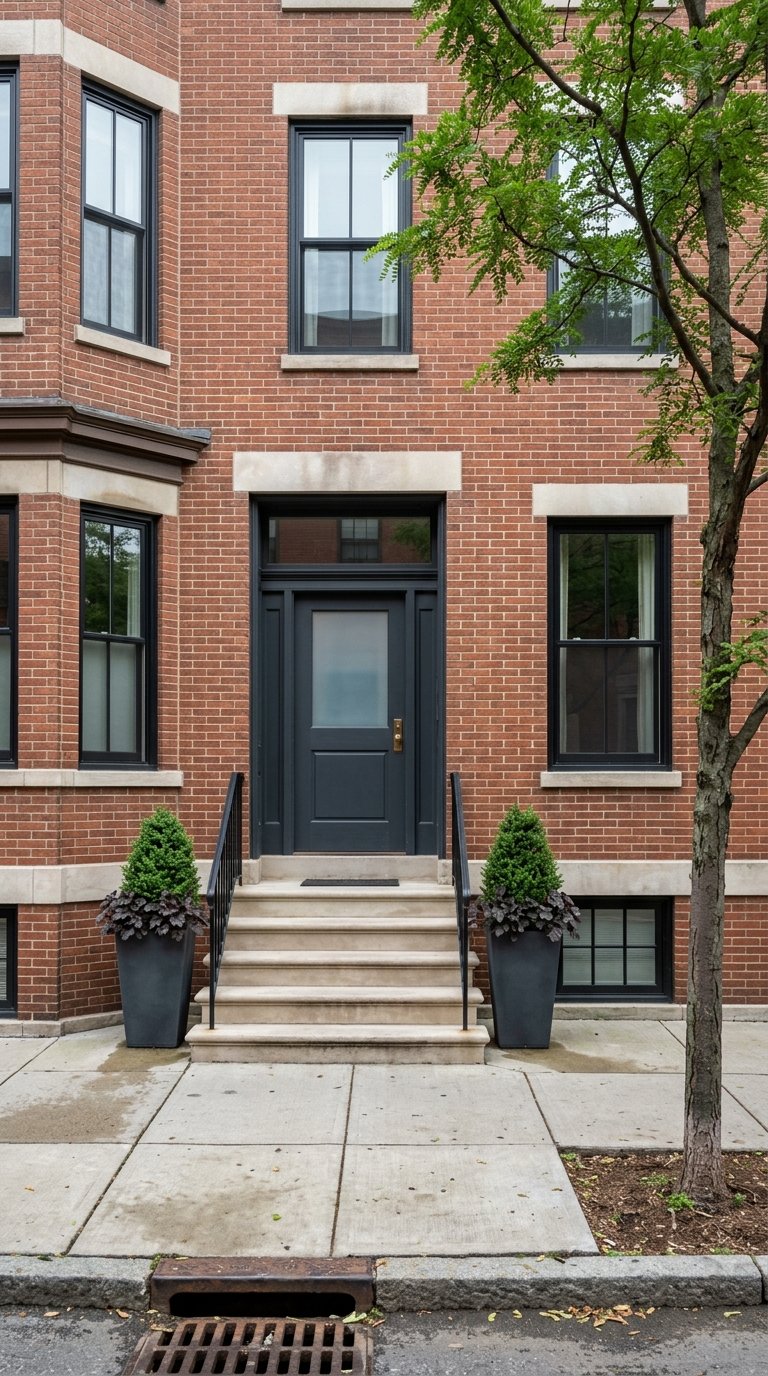
If you want a walkable lifestyle in Pittsburgh, the first thing to know is that walkability here is not usually citywide. It is often built around compact business districts, urban cores, and main streets where errands, dining, entertainment, and transit sit close together. That can be great news if you know what kind of daily routine you want, because the best fit depends on whether you care most about being car-light, staying near transit, or living close to shops and restaurants. Let’s dive in.
What walkability looks like in Pittsburgh
Pittsburgh walkability works best on a spectrum, not as a simple yes-or-no label. Some areas support a very car-light routine, while others offer strong walkable corridors surrounded by more residential blocks. In many places, you can walk easily for part of your day, then use transit or a car for the rest.
Topography also matters here. Hills, stairs, and major-road crossings can change how walkable a place feels from one block to the next. That is why two neighborhoods can both be considered walkable, but still offer very different day-to-day experiences.
Downtown Pittsburgh for car-light living
If your goal is the most car-light routine possible, Downtown is the clearest place to start. Visit Pittsburgh describes it as a compact area where you are never more than a few blocks from your destination, and more than 3,000 people live there. You also have short commutes, cultural venues, shopping, dining, and public spaces all close together.
Downtown brings together the Cultural District, Market Square, Point State Park, riverfront trails, nightlife, and urban housing options like condos and lofts. For buyers who want to walk to daily activities and keep driving to a minimum, that convenience is hard to match. It is one of the strongest examples of true urban-core walkability in the Pittsburgh area.
Transit is another advantage. Downtown connects to outlying areas through public transportation, which can expand your practical range beyond what you do on foot. If you want a location where walking and transit work together, Downtown deserves a close look.
Strip District for errands and markets
The Strip District is a strong option if your version of walkability centers on food shopping and an active street scene. Visit Pittsburgh describes it as a one-half square mile shopping district filled with grocers, produce stands, meat and fish markets, and sidewalk vendors. That kind of density can make quick errands and weekend routines feel easy and enjoyable.
The city’s mobility plan notes that the Strip benefits from short blocks, a dense street grid, and flat topography. Those features support a more comfortable walking experience than you may find in hillier parts of the city. If you want an area where the layout itself helps you move around easily, this is a meaningful advantage.
That said, walkability can vary by block. The same plan notes missing sidewalks, loading activity, and other obstructions in some areas. If you are thinking about buying here, it helps to pay attention to the exact building location and not just the neighborhood name.
South Side Flats for main-street energy
If you want a lively, walkable main-street environment, South Side Flats stands out. Visit Pittsburgh says East Carson Street features 15 blocks of Victorian architecture, with boutiques, restaurants, galleries, theaters, and live music venues within walking distance. For many buyers, that creates the kind of neighborhood where going out can feel spontaneous and easy.
South Side Flats also offers access to riverfront trail recreation. That mix of urban activity and outdoor space can be appealing if you want more than just restaurants and shops nearby. It gives you a chance to blend active living with a strong neighborhood business corridor.
This area may be especially attractive if you value energy and convenience over a quieter setting. If your ideal day includes walking to coffee, dinner, or entertainment, South Side Flats is one of Pittsburgh’s clearest options.
East End options with neighborhood walkability
Lawrenceville
Lawrenceville offers a close-in neighborhood option that still feels connected to the city. Visit Pittsburgh describes it as walkable and less than three miles from Downtown. That can make it a good fit if you want neighborhood-scale walkability with relatively easy access to the urban core.
For many buyers, Lawrenceville fits a middle ground. You may not get the same compact feel as Downtown, but you do get a walkable setting that supports local daily routines. If you want city access without living in the center of Downtown, this is worth considering.
Shadyside
Shadyside is useful to consider if you want a neighborhood where daily needs are spread across several business areas. Visit Pittsburgh describes it as a place where most everything is within walking distance, supported by three separate business districts. That setup can give you flexibility in how you move through the neighborhood.
Instead of relying on one single corridor, Shadyside offers multiple pockets that support day-to-day convenience. For buyers who like having several walkable nodes nearby, that can be a practical advantage.
Squirrel Hill
Squirrel Hill is another strong East End example. Visit Pittsburgh describes it as a walkers’ paradise, with business districts along Forbes and Murray Avenues. That corridor-based layout can work well if you want regular access to shops, services, and dining within the neighborhood.
Like other Pittsburgh walkable areas, the key is to think about where you would live in relation to the business district. In a corridor-based neighborhood, a few blocks can make a real difference in how often you choose to walk instead of drive.
South Hills districts with transit access
For buyers who want a walkable lifestyle outside the urban core, the South Hills offers a different version of convenience. Here, walkability often shows up in village-style business districts paired with light-rail access. That can be a strong fit if you want local shops and transit nearby, while still living in a more residential setting.
Mt. Lebanon
Mt. Lebanon is one of the clearest South Hills examples of district-based walkability. The borough says Beverly Road includes restaurants, services, and shops, while the Washington Road Uptown district includes 41 commercial properties along with restaurants, retail, seasonal street festivals, and a weekly summertime farmers' market. That mix creates a main-street lifestyle without requiring a fully car-free routine.
Parking is also part of how this area functions. The borough notes garages, surface lots, and metered street parking, so the district supports both walking and driving. If you want a place where you can walk to a business district but still have practical car access, Mt. Lebanon offers a balanced setup.
Dormont
Dormont is a classic streetcar-suburb example. Pittsburgh Regional Transit describes Dormont Junction as part of one of Pittsburgh’s classic streetcar suburbs, with a relatively dense and in some cases walkable fabric. The same planning report notes that hilly terrain can make walking and biking harder, which is an important tradeoff to keep in mind.
Potomac Avenue is a key corridor here, with active local businesses including the Hollywood Theater. PRT also lists Potomac, Dormont Junction, and Mt. Lebanon among accessible stations on the light-rail network. If your definition of walkability includes being able to walk to transit, Dormont can be a very practical choice.
Key tradeoffs to weigh before you buy
No matter which area you explore, it helps to look beyond the label of walkable and think about how your routine would actually work. In Pittsburgh, the details matter.
Here are a few questions to keep in mind:
- How steep is the route? Hills and stairs can change a short walk into a harder one.
- Where is the commercial corridor? Some neighborhoods are very walkable only near the main business streets.
- How important is transit? Light rail or broader public transportation can expand what feels convenient.
- What housing type do you want? Downtown leans toward condos and lofts, while South Hills districts are described as primarily residential.
- How much parking do you need? Even in walkable areas, parking can still affect daily convenience.
The right answer depends on your lifestyle. An errands-first buyer may love the Strip District, while a transit-first buyer may lean toward Dormont or Mt. Lebanon. A buyer who wants the most car-light setup may still find Downtown to be the best match.
How to narrow your Pittsburgh search
A smart way to compare walkable areas is to focus on your daily pattern, not just the neighborhood name. Think about where you want to get coffee, groceries, dinner, outdoor time, or transit access. Then look at whether those places are actually easy to reach from the specific home or condo you are considering.
In Pittsburgh, block-by-block reality matters. A home that looks close on a map may feel different once you factor in hills, crossings, sidewalk conditions, or the distance to the main business street. That is why a clear, practical home search strategy can save you time and help you choose with confidence.
If you are trying to compare city neighborhoods with South Hills districts, it helps to line them up by lifestyle fit. Downtown is strongest for car-light urban living. The Strip District is strong for market-style errands. South Side Flats offers lively main-street energy. Lawrenceville, Shadyside, and Squirrel Hill each provide neighborhood-scale walkability, while Mt. Lebanon and Dormont offer South Hills convenience tied to business districts and light rail.
If you want help sorting through Pittsburgh walkability with your budget, commute, and housing goals in mind, Rachel Mazzie can help you build a clear plan and schedule a free consultation.
FAQs
What does walkable living in Pittsburgh usually mean?
- In Pittsburgh, walkability is often corridor-based, meaning it is strongest around compact business districts, urban cores, and transit-connected main streets rather than across an entire neighborhood.
Which Pittsburgh area is best for a car-light lifestyle?
- Downtown is the strongest fit for a car-light routine because it is compact and puts shopping, dining, parks, culture, and transit within a few blocks.
Is the Strip District a good choice for walkability in Pittsburgh?
- Yes, especially if you want easy access to food shopping and a dense street grid, though sidewalk conditions and loading activity can make walkability uneven on some blocks.
Which South Hills areas offer walkable districts?
- Mt. Lebanon and Dormont are two of the clearest South Hills options, with business districts and access to Pittsburgh Regional Transit light rail.
What should buyers watch for in walkable Pittsburgh neighborhoods?
- Pay close attention to hills, stairs, sidewalk conditions, major-road crossings, transit access, parking, and how close the home is to the neighborhood’s main commercial corridor.