Thinking about a move to Pittsburgh’s South Hills and trying to pull it off from out of state? You’re not alone. With a smart plan and the right local support, you can narrow neighborhoods, tour homes virtually, and close confidently without disrupting your life. This guide gives you a clear roadmap, from scoping trips and timelines to inspections, notarization, costs, and checklists you can use today. Let’s dive in.
What the South Hills includes
“South Hills” describes the suburbs and southern neighborhoods just south of the City of Pittsburgh. Commonly included municipalities are Mt. Lebanon, Upper St. Clair, Bethel Park, Dormont, Castle Shannon, Brentwood, and nearby townships and boroughs. It’s a regional label rather than a single town, so confirm which municipalities you mean when you talk about the South Hills. For a quick overview of the area’s definition and history, see the entry on South Hills of Pennsylvania.
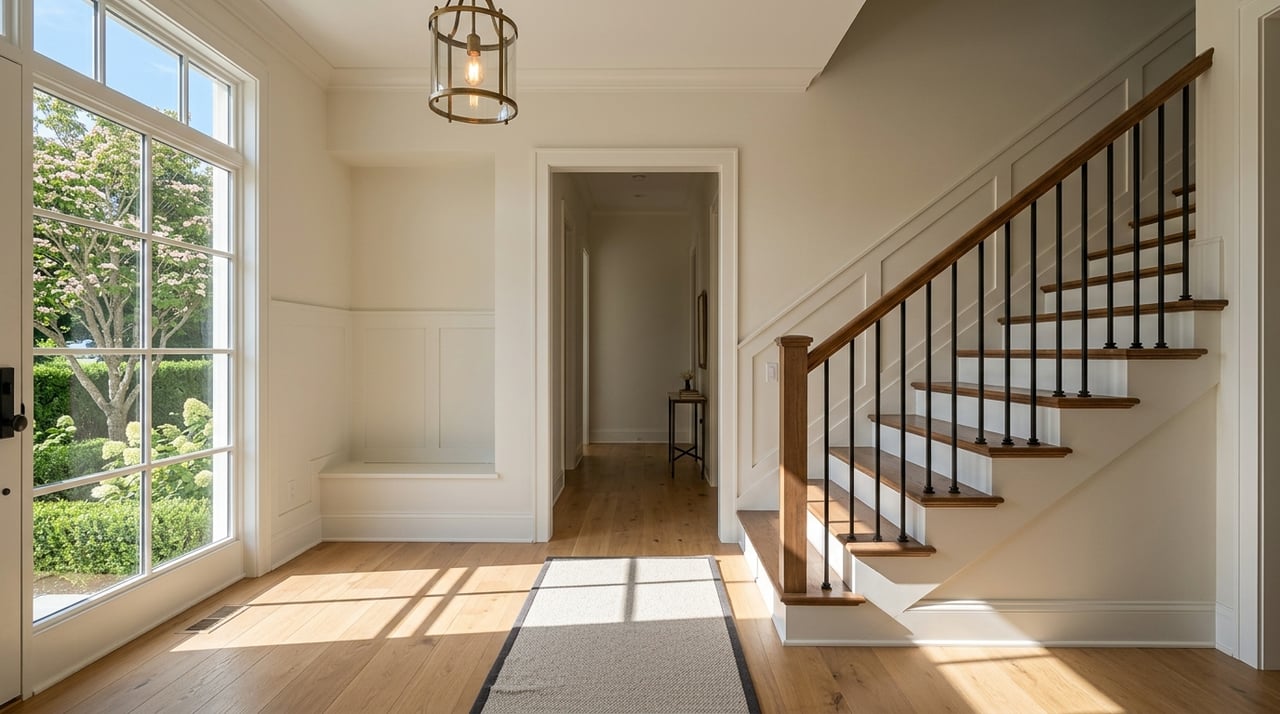
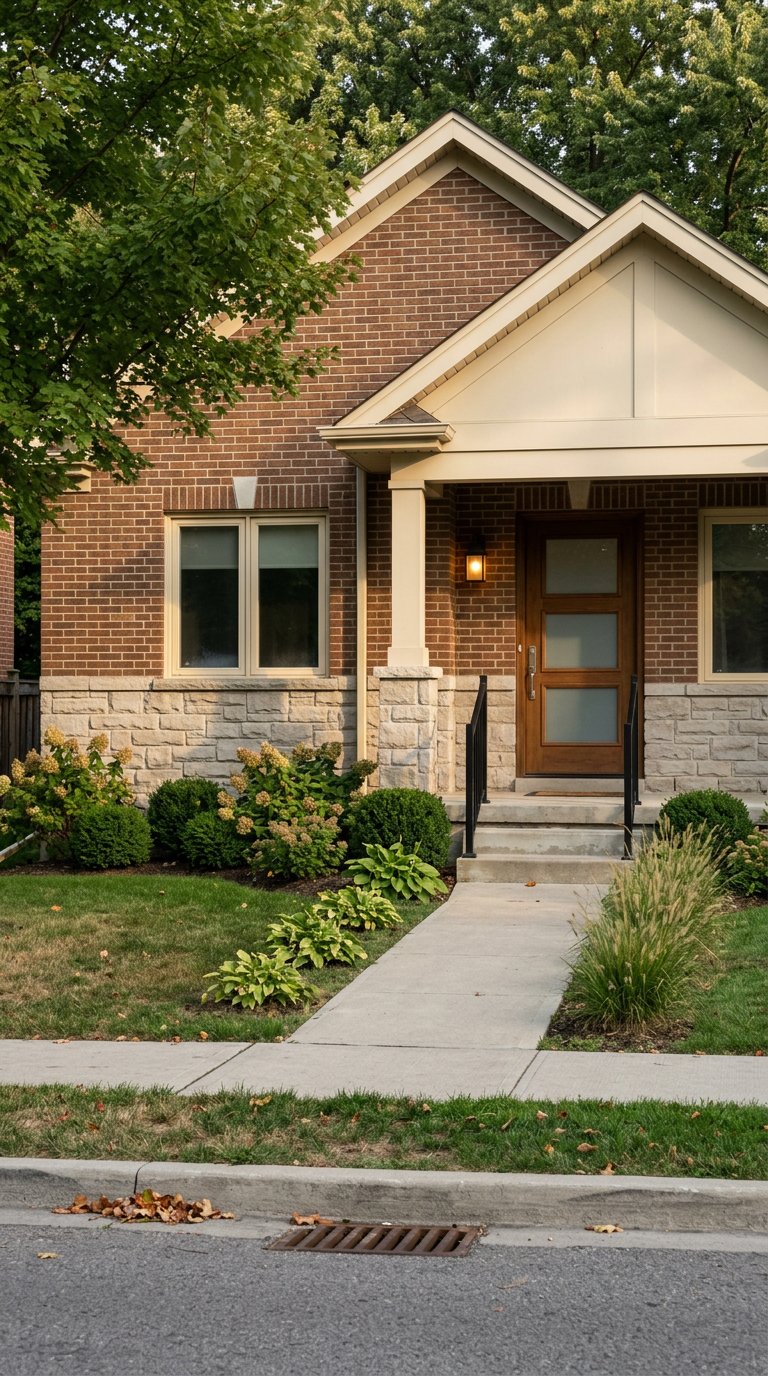
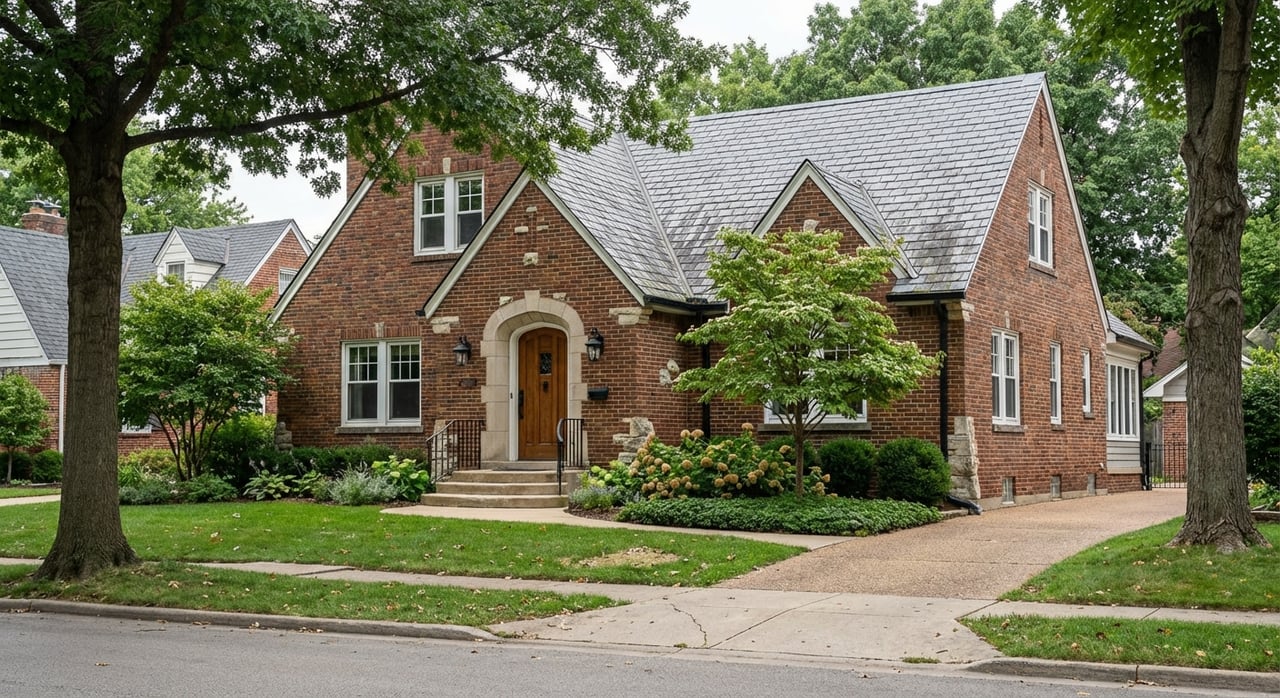
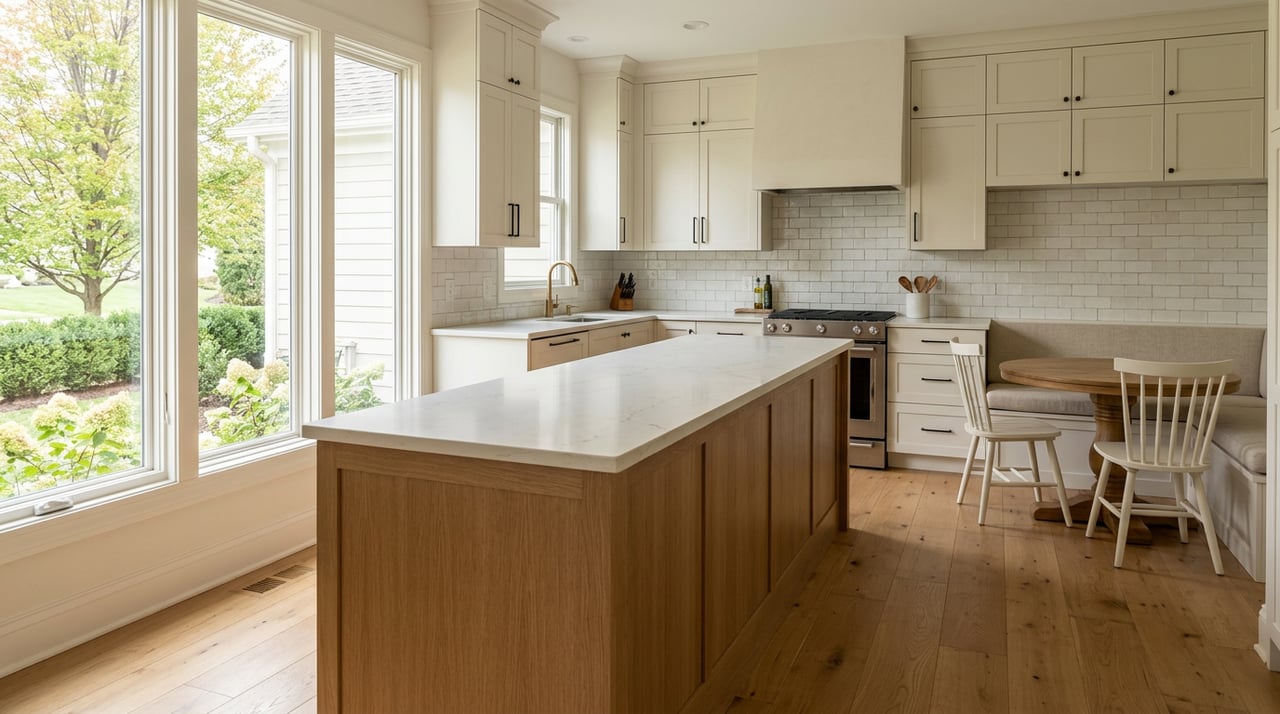
You’ll find a mix of older single‑family homes with stone or brick foundations, mid‑century suburban houses, and townhomes or condos near transit and small business districts. Some towns have walkable centers and are frequently sought by families, while others emphasize larger lots and a quieter feel. If price is a key driver, review ZIP‑level snapshots early. For example, you can use a Mt. Lebanon ZIP market snapshot as a starting point, then compare to nearby areas on your target dates.
Plan your search and first trip
Start with a 1–2 week remote research phase to build a realistic short list. Focus on 2–3 municipalities that fit your budget, commute, and school district preferences. Ask your agent for high‑resolution photos, floor plans, full video walk‑throughs, and seller disclosures before you commit to travel.
When you visit, plan 2–4 focused days to cover one municipality per half‑day, plus time to see neighborhoods and test your commute. If you want deeper time in each area or plan multiple school visits, hold 4–7 days. Let your agent schedule both weekday and weekend showings so you can observe daytime activity and traffic.
If possible, include your agent, your lender contact, and a home inspector or contractor for a quick, paid walk‑through on your top pick. A 20–30 minute look at roof, drainage, and foundation conditions can save you from surprises later. This approach helps you write a strong offer with eyes wide open.
Buying remotely, step by step
A typical 30–45 day closing timeline
Many financed purchases close in about 30–45 days from the accepted offer. Local factors like lender responsiveness, appraisal timing, and underwriting can add time, so build in a small buffer. For general expectations on lender and appraisal timing, see this overview of typical closing steps in mortgage transactions from EZ Home Search.
Here is a common rhythm once you go under contract:
- Day 0: Offer accepted, deposit placed.
- Days 1–10: Inspection period. Order your general inspection, radon test, and any add‑ons like sewer scope or HVAC.
- Days 7–14: Negotiate repairs or credits if inspections reveal issues.
- Days 7–21: Mortgage underwriting. Appraisal is ordered and completed.
- Days 21–35: Title work, payoffs, and repair decisions are wrapped up. Lender issues clear to close.
- Day ~30–45: Closing in person or remotely. The title company submits your deed and mortgage for recording.
Cash purchases can shorten lender‑driven steps, but inspections and title still take time. Municipal certificates, HOA items, and utility transfers can also add days.
Inspections that matter in the South Hills
Older South Hills homes often have masonry foundations and basements, so give structure, drainage, and roof condition close attention. Add a radon test to your inspection package. Radon can be present in Pennsylvania homes, and the EPA provides clear testing and mitigation guidance; review the EPA’s radon information before you decide.
If the home was built before 1978, federal lead‑based paint rules apply. Sellers must provide the EPA/HUD pamphlet and allow a window for testing. Learn the basics of the federal lead disclosure rule and consider a lead inspection if children will live in the home.
Other common add‑ons include a sewer lateral scope, wood‑destroying insect report, chimney evaluation, HVAC check, and moisture review in any crawlspaces or unfinished areas. Ask your inspector to deliver clear photos, timestamps, and a summary video if you will not attend in person.
Virtual inspections and local representation
Hire inspectors who offer live video sessions so you can “walk the house” remotely and ask questions in real time. Confirm you will receive a sewer scope video file if a lateral inspection is performed. If the inspector flags a major item, ask your agent to arrange quick, written estimates from licensed contractors. That helps you decide whether to request a repair, ask for a credit, or walk away within your contingency window.
Signing, notarization, and recording in Allegheny County
Pennsylvania authorizes Remote Online Notarization (RON). If your lender and title company are set up for it, you can complete many closing documents online. Review the state’s guidance on electronic and remote notarization and ask your title company what they support.
Allegheny County accepts e‑recording of many documents through approved vendors. Some document types still require paper, so confirm whether your deed and mortgage will be recorded electronically after a remote signing. You can read more about Allegheny County e‑recording and ask your title team for their exact workflow.
Practical tip: get the title company’s remote closing process in writing. Ask how they verify your ID, which forms require wet signatures, how couriers are handled, and whether witnesses are needed.
Final walk‑through and keys
If you cannot be there for the final walk‑through, arrange for your agent or a paid local representative to attend. Make sure they verify that agreed repairs are complete, appliances remain, and utilities are on. Set a clear key exchange plan and confirm utility transfer steps so you are not moving into a cold, dark house.
Costs, taxes, and transit
Property taxes in Allegheny County
Allegheny County property tax bills reflect the combined millage of the county, school district, and municipality. Homestead or farmstead exclusions can also apply and may change year to year. Review the county treasurer’s current bulletin for how taxes work and where to verify details, then look up specific parcels before you finalize a budget. Start with the Allegheny County Treasurer’s tax bulletin and your title company’s estimates.
Closing and transfer taxes
Expect closing costs beyond the purchase price. These include title insurance, settlement fees, prorated taxes, recording charges, and realty transfer taxes set by Pennsylvania and local jurisdictions. Who pays transfer tax is often negotiable, so ask for a line‑item estimate before you sign. Your title team can also confirm exact recording rules and fees in Allegheny County.
Schools and family logistics
School quality and offerings vary by district in the South Hills. Many relocating families explore towns such as Mt. Lebanon and Upper St. Clair, along with Bethel Park and others. Always verify current district boundaries, calendars, and transportation policies directly with each district. Your agent can help you confirm contact points so you get the most current data.
Transit and commute options
Pittsburgh Regional Transit (PRT) serves the South Hills with light‑rail “T” lines, including service to South Hills Village, plus bus routes and park‑and‑ride lots. Schedules and frequencies can change with projects and budgets. If transit access is part of your decision, check current service notices from Pittsburgh Regional Transit and test your commute during your visit.
Weather and winter planning
Winters in Pittsburgh include cold snaps and periodic snow. If you are closing during winter, confirm the heat stays on, plan for potential travel delays, and align utility transfers a few days before possession. Ask for service records on the heating system and clarify the type of fuel so you can budget for start‑up costs.
Ready‑to‑use checklists and templates
Pre‑offer checklist for remote buyers
- Mortgage pre‑approval, not just a pre‑qualification, with a lender who can work across states.
- A clear list of non‑negotiables: district preferences, commute time, bedroom count, yard needs, basement condition, and garage.
- From your agent: high‑resolution photos, floor plans, third‑party video walk‑through, seller’s property disclosure, any available utility costs, HOA documents if applicable, and the latest property tax data.
- A vetted list of local providers: home inspector, sewer‑scope company, radon tester, HVAC contractor. Confirm your agent has remote‑closing experience.
Inspection and negotiation checklist
- Order the general inspection and radon test right away. Add a sewer scope if the home has older laterals or visible sump systems.
- For each finding, request a written, itemized estimate from a licensed contractor. Avoid vague repair descriptions.
- Decide if you prefer seller‑performed repairs before closing or a repair credit you can manage after you move in.
Remote closing checklist
- Confirm your title company supports RON and e‑signing, and whether your deed and mortgage will be e‑recorded. Ask for a written flowchart for signing day.
- Verify your lender’s clear‑to‑close conditions and review the Closing Disclosure as soon as it is issued.
- Schedule your remote notarization session and test your video platform and ID verification in advance.
- Arrange the final walk‑through with your agent or a local representative and set a secure key delivery plan.
Sample 12‑week moving timeline
- Weeks 12–9: Research and shortlist municipalities. Get pre‑approved. Schedule your first visit and transit test runs.
- Weeks 8–6: Write offers, negotiate, and go under contract.
- Weeks 5–1: Complete inspections, appraisal, underwriting, and title clearance.
- Week 0: Close and move. Have a backup plan for delays, such as a hotel, storage, or mover flexibility.
Working with a local advisor
Relocating from out of state is easier when your agent is organized, responsive, and comfortable coordinating a fully remote process. You should expect clear timelines, fast virtual tours, and proactive inspector and contractor connections. Ask about recent remote closings and how they manage final walk‑throughs, remote notarization, and key handoff.
If you want a calm, structured plan for your South Hills move, let’s talk. Schedule a free consultation with Rachel Mazzie to outline neighborhoods, set a realistic timeline, and build a confident remote‑buying strategy.
FAQs
What areas are considered Pittsburgh’s South Hills?
- The South Hills refers to suburbs and southern neighborhoods just south of Pittsburgh, commonly including Mt. Lebanon, Upper St. Clair, Bethel Park, Dormont, Castle Shannon, Brentwood, and nearby towns. Verify boundaries with local maps and municipal sites.
How long does a remote home purchase usually take in Allegheny County?
- Many financed purchases close in about 30–45 days from the accepted offer. Build in buffer time for appraisal, underwriting, and any remote signing or document shipping steps.
Which inspections are most important for older South Hills homes?
- Prioritize a general home inspection, radon test, and sewer scope. Add pest, HVAC, chimney, and moisture checks as needed, especially for homes with basements and older masonry foundations.
Can I complete my Pennsylvania closing entirely online?
- Pennsylvania authorizes Remote Online Notarization. Whether you can close fully online depends on your lender and title company, plus which documents the county will accept electronically. Ask early and get the process in writing.
How do property taxes work in Allegheny County?
- Taxes combine county, school district, and municipal millage, and may reflect homestead or farmstead exclusions. Review current county guidance and verify the parcel’s assessment and bills before finalizing your budget.
What transit options connect the South Hills to Downtown?
- Pittsburgh Regional Transit runs light‑rail “T” service to and from the South Hills, including South Hills Village, plus bus routes and park‑and‑rides. Always check current schedules and service notices when planning your commute.